Natural Language Processing
Human Microbiome Explained: What It Is, Why It Matters, and Where Microbes Live #part1
Discover what the human microbiome is, why it matters for health, where microbes live in the body, and how microbiome research is transforming medicine.
Sponsored by Aslam Hossain. This article contains sponsored content.
Human Microbiome Explained: What It Is, Why It Matters, and Where Microbes Live
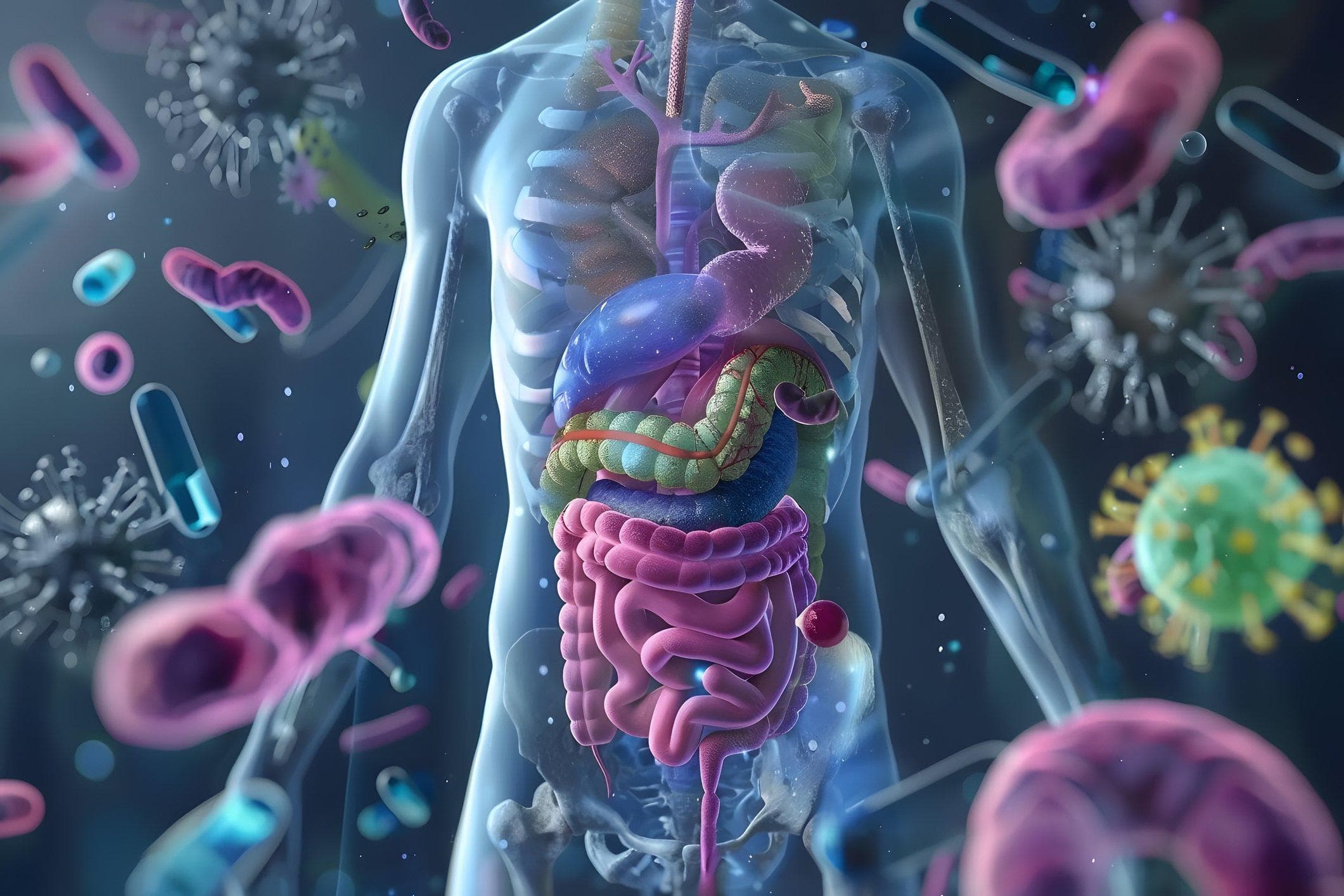
Alt Text: Illustration of the human microbiome showing beneficial microorganisms living throughout the body.
Quick Summary
The human microbiome is the vast community of microorganisms—including bacteria, fungi, viruses, and archaea—that naturally live on and inside the human body. Although these organisms are microscopic, together they form a complex ecosystem that influences digestion, immunity, metabolism, skin health, and many other biological processes. Modern research has transformed our understanding of the microbiome from a collection of "germs" into one of the most important contributors to human health.
Key Highlights
- The human body hosts trillions of microorganisms.
- Most microbes are harmless or beneficial rather than harmful.
- Different body regions contain unique microbial communities.
- The gut microbiome is the largest and most diverse microbial ecosystem in the body.
- Advances in DNA sequencing have revolutionized microbiome research.
- Scientists continue to explore how the microbiome influences nutrition, immunity, and disease.
Featured Snippet
What is the human microbiome?
The human microbiome is the collection of microorganisms—including bacteria, fungi, viruses, and archaea—that live on and inside the human body. These microbes form complex ecosystems that support digestion, help regulate the immune system, produce certain vitamins, protect against harmful microbes, and contribute to overall health.
Table of Contents
- Introduction
- What Is the Human Microbiome?
- Why the Human Microbiome Matters
- A Brief History of Microbiome Research
- Where Microbes Live in the Human Body
Introduction
For centuries, microorganisms were primarily associated with disease. The discovery of disease-causing bacteria revolutionized medicine and dramatically improved public health. However, scientific research over the past few decades has revealed a far more nuanced picture.
Today, scientists recognize that the human body is home to an enormous and remarkably diverse community of microorganisms. Rather than existing as isolated human cells, we live in close partnership with countless microscopic organisms that have evolved alongside us over millions of years.
Collectively, these microorganisms are known as the human microbiome.
Far from being passive passengers, many microbes perform essential functions that humans cannot accomplish alone. They help digest dietary fibers, produce vitamins, educate the immune system, compete with harmful microbes, and contribute to maintaining healthy tissues throughout the body.
Understanding the microbiome has become one of the most exciting frontiers in biology, medicine, nutrition, and personalized healthcare. As research progresses, scientists continue to uncover new ways in which these microscopic communities influence both health and disease.
🔬 Scientific Fact
Your body is home to trillions of microorganisms—including bacteria, fungi, viruses, and archaea. Most are either harmless or beneficial, helping with digestion, vitamin production, immune function, and protecting against harmful microbes.
Your body is home to trillions of microorganisms—including bacteria, fungi, viruses, and archaea. Most are either harmless or beneficial, helping with digestion, vitamin production, immune function, and protecting against harmful microbes.
Human Microbiome at a Glance
Human Body Area Main Microorganisms Primary Role Mouth Bacteria, fungi Oral health and initial food digestion Skin Bacteria, fungi Barrier protection and microbial balance Nose Bacteria Respiratory defense Stomach Acid-tolerant microbes Limited microbial survival Small intestine Bacteria Nutrient absorption support Colon Diverse bacteria Fiber fermentation and vitamin production Urinary tract Bacteria Maintain microbial balance Reproductive tract Lactobacillus and others Support a healthy microbial environment
| Human Body Area | Main Microorganisms | Primary Role |
|---|---|---|
| Mouth | Bacteria, fungi | Oral health and initial food digestion |
| Skin | Bacteria, fungi | Barrier protection and microbial balance |
| Nose | Bacteria | Respiratory defense |
| Stomach | Acid-tolerant microbes | Limited microbial survival |
| Small intestine | Bacteria | Nutrient absorption support |
| Colon | Diverse bacteria | Fiber fermentation and vitamin production |
| Urinary tract | Bacteria | Maintain microbial balance |
| Reproductive tract | Lactobacillus and others | Support a healthy microbial environment |
What Is the Human Microbiome?
The human microbiome refers to all the microorganisms and their genetic material that inhabit the human body. While bacteria are the best-known members of this community, the microbiome also includes fungi, viruses, archaea, and microscopic single-celled organisms.
These organisms are not randomly distributed. Instead, they form specialized communities adapted to different environments within the body. The skin, mouth, intestines, lungs, and reproductive tract each provide unique conditions—such as differences in moisture, oxygen, nutrients, and pH—that favor distinct microbial populations.
One of the most extensively studied components is the gut microbiome, particularly the microorganisms living in the colon. This ecosystem contains hundreds of bacterial species and an immense diversity of genes, far exceeding the number of genes in the human genome.
Importantly, the microbiome is not static. It changes throughout life, beginning at birth and continuing to evolve in response to diet, medications, infections, travel, aging, and environmental exposures.
Rather than existing independently, humans and microbes maintain a mutually beneficial relationship. Humans provide nutrients and suitable habitats, while microbes perform functions that contribute to normal physiology.
Scientists often describe this relationship as a symbiotic partnership, emphasizing that human health depends not only on our own cells but also on the microorganisms with which we coexist.
💡 Did You Know?
Every person's microbiome is unique. Diet, age, environment, medications, birth method, and lifestyle all contribute to shaping the communities of microorganisms that live on and inside the body.
Every person's microbiome is unique. Diet, age, environment, medications, birth method, and lifestyle all contribute to shaping the communities of microorganisms that live on and inside the body.
Why the Human Microbiome Matters
The importance of the microbiome extends across nearly every major biological system.
One of its most recognized roles is supporting digestion. Humans lack enzymes capable of breaking down certain complex plant fibers. Many gut bacteria can ferment these fibers, producing short-chain fatty acids that nourish cells lining the colon and contribute to normal intestinal function.
The microbiome also helps produce several vitamins, including vitamin K and certain B vitamins, although dietary intake remains the primary source for most individuals.
Another critical function involves immune system development. During infancy and childhood, interactions between microbes and immune cells help train the immune system to distinguish between harmless substances and potential threats. This education continues throughout life.
Microorganisms also compete with disease-causing microbes by occupying physical space, consuming available nutrients, and producing compounds that limit the growth of potentially harmful organisms.
Emerging research suggests the microbiome may also influence metabolism, brain function through the gut-brain axis, skin health, and responses to certain medications. However, many of these relationships remain active areas of scientific investigation, and researchers continue to study how changes in the microbiome may contribute to various diseases.
Rather than viewing microbes solely as enemies, modern biology recognizes that maintaining a balanced microbial ecosystem is an important component of overall health.
✅ Key Takeaway
The human microbiome is not a single organ or species. It is a dynamic ecosystem that plays an important role in maintaining overall health.
The human microbiome is not a single organ or species. It is a dynamic ecosystem that plays an important role in maintaining overall health.
A Brief History of Microbiome Research
Our understanding of the microbiome has evolved through centuries of scientific discovery.
1670s — Antonie van Leeuwenhoek
Using handcrafted microscopes, Dutch scientist Antonie van Leeuwenhoek became one of the first people to observe microscopic organisms from dental plaque. His observations revealed an invisible world that had previously gone unnoticed.
↓
Late 1800s — Louis Pasteur
Louis Pasteur demonstrated that microorganisms play essential roles in fermentation and infectious diseases. His work established the foundations of modern microbiology and transformed medicine.
↓
Early 1900s
Scientists began recognizing that not all bacteria are harmful. Researchers started investigating beneficial microbes living in the digestive system and their potential contributions to health.
↓
2007 — Human Microbiome Project
The launch of the Human Microbiome Project marked a major milestone. Using advanced DNA sequencing technologies, researchers systematically mapped microbial communities across different regions of the human body.
↓
Today
Microbiome research influences nutrition, precision medicine, diagnostics, probiotics, and personalized healthcare. Scientists continue exploring how microbial ecosystems affect health throughout the lifespan.
Where Microbes Live in the Human Body
Microorganisms inhabit nearly every surface of the human body that is exposed to the external environment. Each location contains microbial communities uniquely adapted to local conditions.
Mouth
The mouth contains one of the body's most diverse microbial ecosystems. Bacteria and fungi colonize the tongue, teeth, gums, and cheeks, contributing to oral health while also participating in the earliest stages of food digestion.
Nose
Microbes in the nasal passages interact with inhaled air and may help limit the establishment of harmful microorganisms within the respiratory tract.
Skin
The skin serves as both a physical and microbial barrier. Different skin regions—dry, moist, or oily—support distinct microbial communities that contribute to maintaining healthy skin.
Lungs
Although once thought to be sterile, healthy lungs contain relatively small but detectable microbial populations. Researchers continue investigating how these communities interact with the immune system and respiratory health.
Stomach
The stomach's highly acidic environment limits microbial survival. Nevertheless, acid-tolerant microorganisms are capable of inhabiting this challenging environment.
Small Intestine
Compared with the colon, the small intestine contains fewer microorganisms because food moves through relatively quickly. Even so, its microbial residents participate in nutrient metabolism and interactions with the immune system.
Colon
The colon is the largest microbial habitat in the human body. Hundreds of bacterial species thrive here, fermenting dietary fiber, producing beneficial metabolites, and interacting extensively with the host.
Urinary Tract
Modern research has shown that healthy urinary tracts are not completely sterile. Specific microbial communities contribute to maintaining microbial balance in this environment.
Reproductive Tract
The reproductive tract hosts specialized microbial communities. In many individuals, Lactobacillus species help maintain an environment that supports reproductive health.
Human and Microbes: A Shared Ecosystem
Rather than existing separately, humans and microorganisms function as interconnected partners. The human body provides nutrients and habitats, while microbial communities contribute to digestion, immune regulation, nutrient metabolism, and protection against harmful microbes.
This partnership illustrates that health depends not only on our own cells but also on the stability and diversity of the ecosystems that live within us.
References
- National Institutes of Health – Human Microbiome Project.
- World Health Organization – General information on microorganisms and infectious diseases.
- Nature – Peer-reviewed microbiome research.
- Cell Press – Reviews on microbiome science.
- American Society for Microbiology – Educational microbiology resources.
About the Author
Aslam Hossain is the founder and editor of Vishtech Blog, creating accessible technology content about AI, software, startups, robotics, cybersecurity, and future innovations.
Comments
Article text preview: Human Microbiome Explained: What It Is, Why It Matters, and Where Microbes Live 5 Alt Text: Illustration of the human microbiome showing beneficial mi