Renewable Energy
Renewable Energy: The Complete Beginner-to-Expert Guide to Clean Energy, Sustainable Power, and the Future of Electricity #part2
Explore how renewable energy works, the technologies behind solar, wind, hydro, geothermal, and biomass power, and the challenges shaping the global energy transition
If you want to read this blog, please select the blank. (if "blank" is literally a blank field)Part 2: Major Types of Renewable Energy
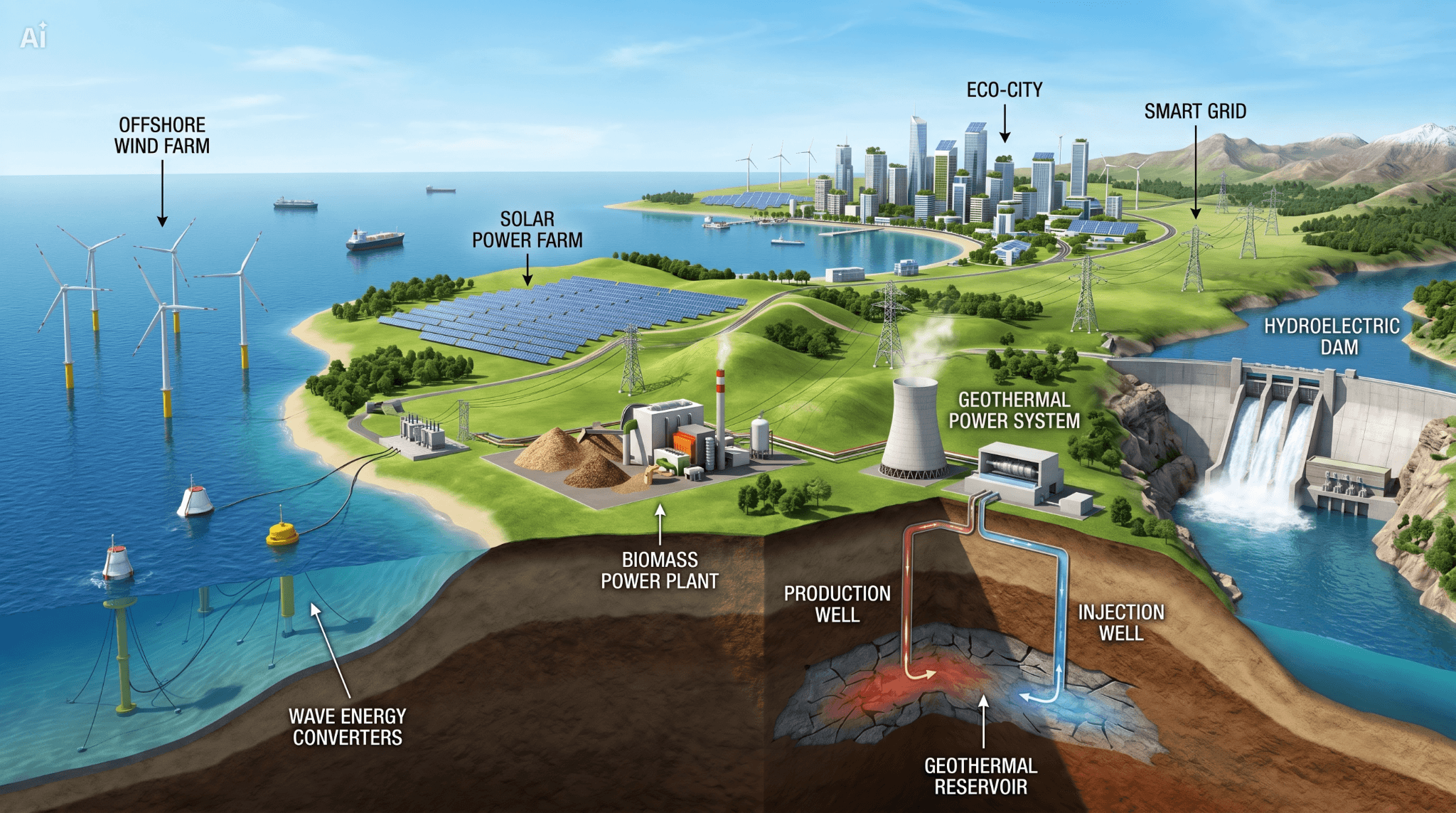
Renewable energy is not a single technology. It includes several different energy sources that are naturally replenished. Each source has unique advantages, limitations, and ideal applications. Together, they form the foundation of a cleaner and more sustainable global energy system.
The five most widely used renewable energy sources are:
- Solar Energy
- Wind Energy
- Hydropower
- Geothermal Energy
- Biomass Energy
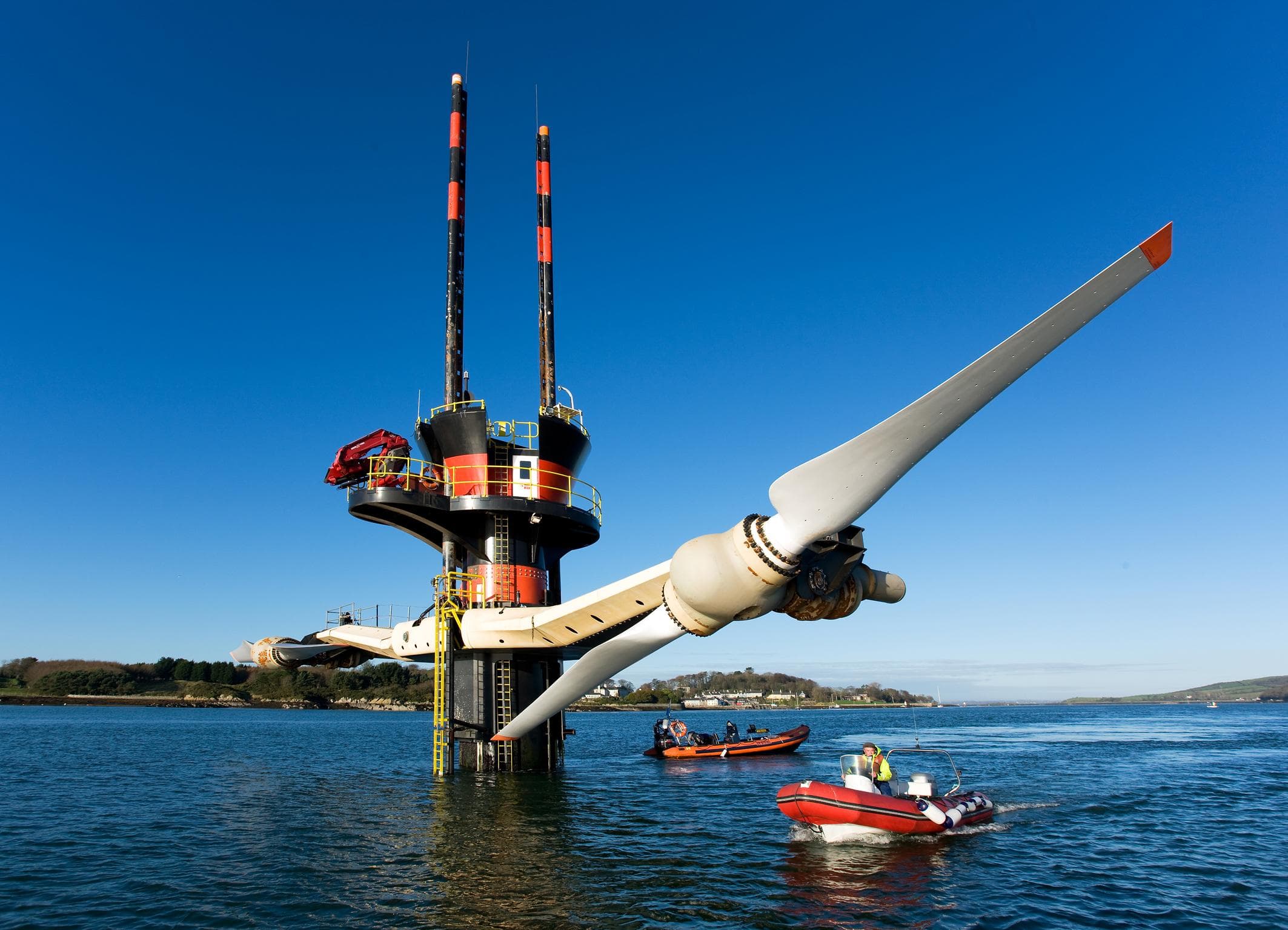
In addition, ocean energy technologies such as tidal and wave power are emerging as promising areas of research and development.
1. Solar Energy
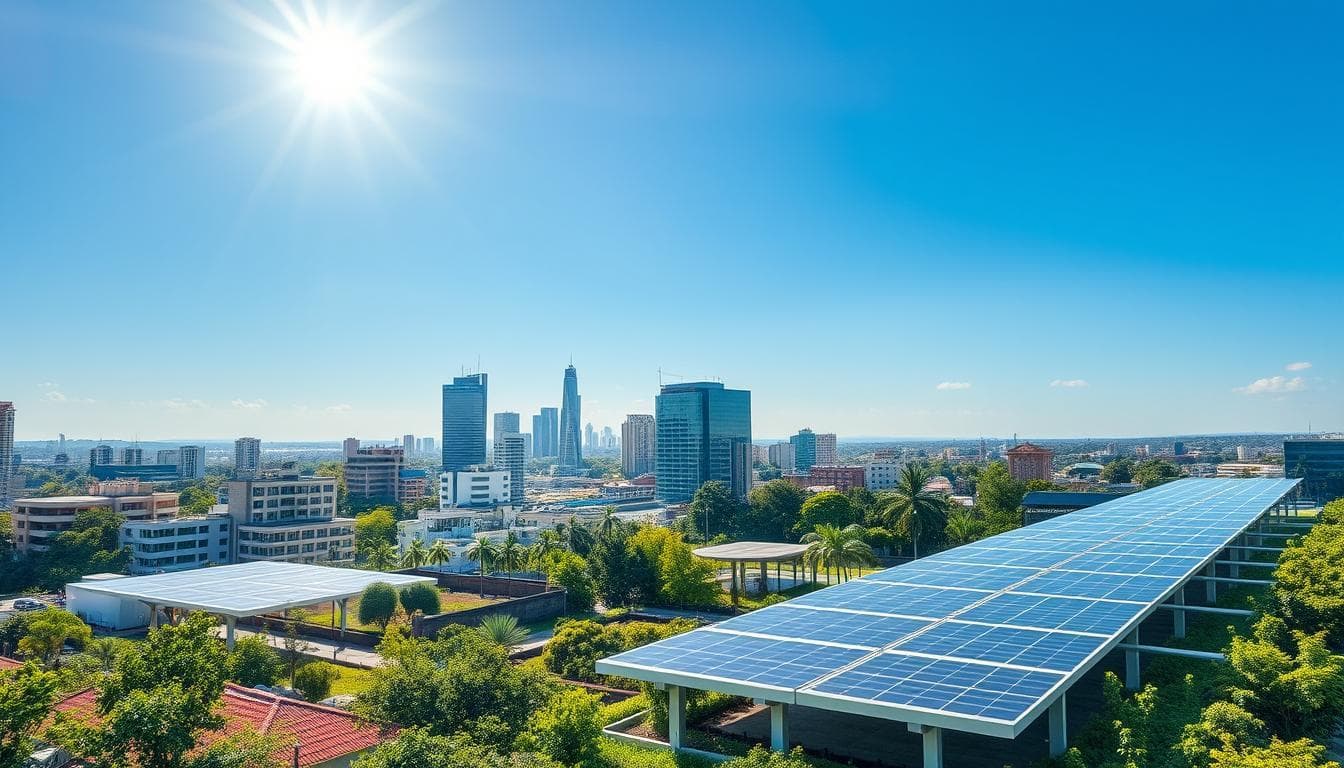
Solar energy is the energy produced from sunlight. It is the most abundant renewable energy resource available on Earth. Every hour, the Sun delivers more energy to Earth than humanity consumes in an entire year, although only a small fraction can currently be captured and converted into usable electricity.
The most common technology for generating solar power is the photovoltaic (PV) panel. These panels contain semiconductor materials, typically silicon, that convert sunlight directly into electricity through the photovoltaic effect. When sunlight strikes the solar cells, photons transfer energy to electrons, creating an electric current.
How Solar Energy Works
The basic process involves several steps:
- Sunlight reaches the photovoltaic panels.
- Solar cells absorb light energy.
- Electrons begin moving through the semiconductor material.
- Direct current (DC) electricity is generated.
- An inverter converts DC into alternating current (AC), which is used by homes and businesses.
- Excess electricity may be stored in batteries or supplied to the power grid.
Common Applications
- Residential rooftop solar systems
- Commercial buildings
- Utility-scale solar farms
- Street lighting
- Agricultural irrigation
- Portable solar chargers
- Spacecraft and satellites
Advantages
- No fuel is required during operation.
- Very low greenhouse gas emissions while generating electricity.
- Modular and scalable, from small rooftop systems to large solar farms.
- Low operating and maintenance costs after installation.
Limitations
- Electricity generation depends on sunlight availability.
- Output decreases during cloudy weather or at night.
- Large installations require significant land area.
- Battery storage may be needed for continuous power supply.
Scientific Note: Solar panels generate electricity from light, not heat. They can still produce electricity on cold, sunny days, although total output depends on the intensity of sunlight.
Scientific Note: Solar panels generate electricity from light, not heat. They can still produce electricity on cold, sunny days, although total output depends on the intensity of sunlight.
2. Wind Energy
Wind energy converts the kinetic energy of moving air into electricity using wind turbines. Wind is created by uneven heating of Earth's surface by the Sun, causing differences in air pressure that drive atmospheric circulation.
Modern wind turbines can reach heights of more than 150 meters, allowing them to capture stronger and more consistent winds at higher altitudes.
How Wind Energy Works
- Wind flows across the turbine blades.
- The blades rotate due to aerodynamic lift.
- The rotating blades turn a shaft connected to a generator.
- The generator converts mechanical energy into electricity.
- Electricity is transmitted to the electrical grid.
Types of Wind Farms
- Onshore wind farms
- Offshore wind farms
- Distributed small-scale wind systems
Advantages
- Produces electricity without burning fuel.
- Very low operational emissions.
- Land beneath turbines can often continue to be used for farming.
- One of the lowest-cost sources of new electricity in many regions.
Challenges
- Wind speeds vary throughout the day.
- Suitable locations are not available everywhere.
- Turbines may affect local wildlife if poorly sited.
- Visual and noise concerns can arise near residential areas.
Expert Insight: Offshore wind farms generally experience stronger and more consistent winds than onshore installations, allowing them to produce more electricity over time.
Expert Insight: Offshore wind farms generally experience stronger and more consistent winds than onshore installations, allowing them to produce more electricity over time.
3. Hydropower
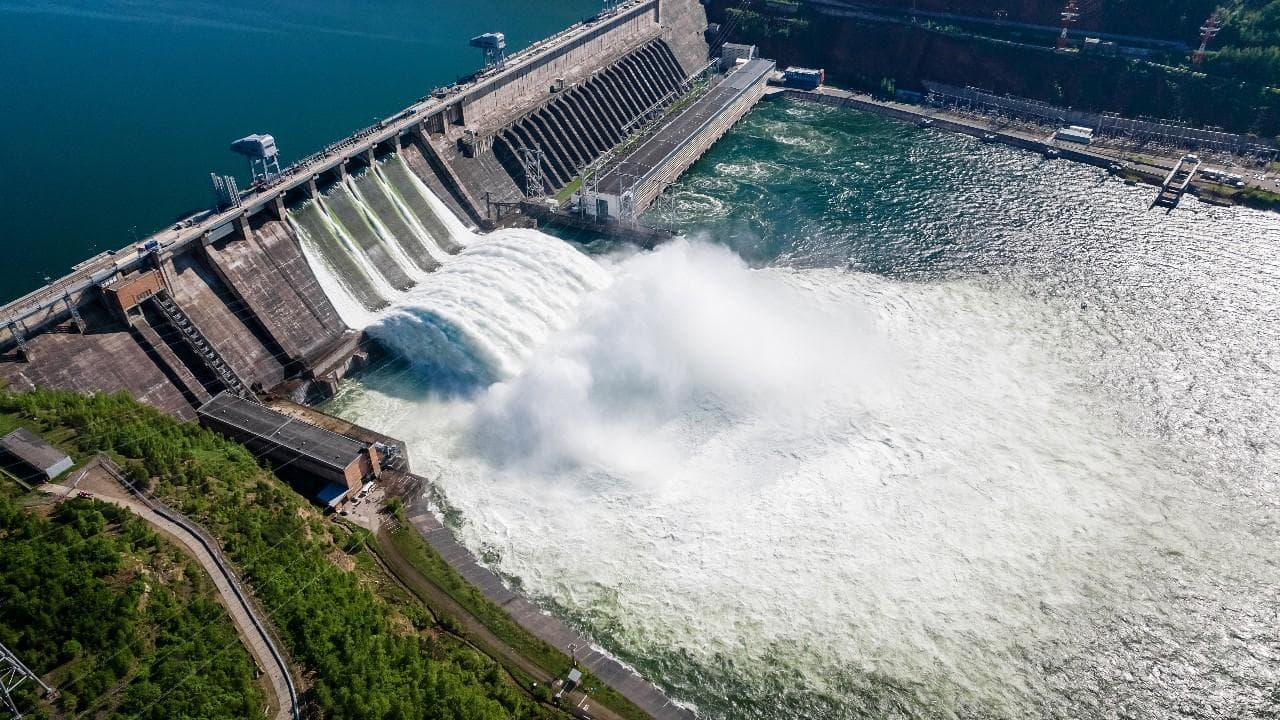
Hydropower is one of the oldest and largest sources of renewable electricity. It generates power by converting the energy of flowing or falling water into mechanical energy and then into electricity.
Many countries rely heavily on hydropower because it provides reliable, large-scale electricity generation and can respond quickly to changes in electricity demand.
How Hydropower Works
- Water is stored in a reservoir behind a dam or flows naturally through a river.
- Water passes through turbines.
- Turbines rotate generators.
- Electricity is transmitted to homes and industries.
Types of Hydropower
- Reservoir hydropower
- Run-of-river hydropower
- Pumped-storage hydropower
Advantages
- Reliable electricity generation.
- Long operational lifespan.
- High efficiency compared with many other power generation technologies.
- Can help stabilize electricity grids.
Challenges
- Construction requires substantial investment.
- Large dams may alter river ecosystems.
- Fish migration can be affected.
- Reservoirs may displace local communities.
4. Geothermal Energy
Geothermal energy uses heat stored beneath Earth's surface. This heat originates from the planet's formation and the natural radioactive decay of elements within Earth's interior.
Unlike solar and wind power, geothermal energy is available day and night throughout the year, making it a valuable source of continuous or "baseload" electricity in suitable regions.
How It Works
- Wells are drilled into underground geothermal reservoirs.
- Hot water or steam rises to the surface.
- Steam drives turbines connected to generators.
- Electricity is produced.
- Cooled water is often reinjected underground to sustain the resource.
Uses
- Electricity generation
- District heating
- Greenhouse heating
- Industrial processes
- Hot water supply
Advantages
- Reliable 24-hour electricity generation.
- Small land footprint.
- Very low greenhouse gas emissions during operation.
Challenges
- Limited to suitable geological locations.
- High initial drilling costs.
- Exploration carries financial risk.
5. Biomass Energy
Biomass energy is produced from organic materials such as wood, crop residues, agricultural waste, food waste, and certain municipal wastes. Plants absorb carbon dioxide while growing, and this stored energy can later be released through combustion or biological conversion.
Common Biomass Sources
- Wood chips
- Wood pellets
- Agricultural residues
- Animal manure
- Food waste
- Energy crops
Conversion Technologies
- Direct combustion
- Anaerobic digestion
- Gasification
- Pyrolysis
Advantages
- Utilizes organic waste materials.
- Can produce electricity, heat, and biofuels.
- Supports waste management.
Challenges
- Sustainability depends on responsible resource management.
- Burning biomass releases carbon dioxide, although it may be offset by new plant growth under sustainable practices.
- Air pollution can occur if combustion systems are inefficient.
Important Note: Biomass is considered renewable only when harvested and managed sustainably. Unsustainable harvesting can lead to deforestation and increased carbon emissions.
Important Note: Biomass is considered renewable only when harvested and managed sustainably. Unsustainable harvesting can lead to deforestation and increased carbon emissions.
6. Ocean Energy (Emerging Technology)
Ocean energy includes technologies that capture power from tides, waves, ocean currents, and temperature differences in seawater. While still less widely deployed than solar or wind, these technologies have significant long-term potential, particularly for coastal regions.
Current challenges include high installation costs, corrosion from seawater, and the need for durable engineering solutions.
Comparing Renewable Energy Sources
Energy Source Main Resource Typical Availability Key Strength Main Limitation Solar Sunlight Daytime Widely available Intermittent Wind Moving air Weather dependent Low-cost electricity Variable wind Hydropower Flowing water Often continuous Reliable & efficient Ecological impacts Geothermal Earth's heat Continuous Baseload power Location-specific Biomass Organic matter Controllable Uses waste materials Sustainability concerns Ocean Tides & waves Predictable in some cases Large future potential Early-stage deployment
| Energy Source | Main Resource | Typical Availability | Key Strength | Main Limitation |
|---|---|---|---|---|
| Solar | Sunlight | Daytime | Widely available | Intermittent |
| Wind | Moving air | Weather dependent | Low-cost electricity | Variable wind |
| Hydropower | Flowing water | Often continuous | Reliable & efficient | Ecological impacts |
| Geothermal | Earth's heat | Continuous | Baseload power | Location-specific |
| Biomass | Organic matter | Controllable | Uses waste materials | Sustainability concerns |
| Ocean | Tides & waves | Predictable in some cases | Large future potential | Early-stage deployment |
Key Takeaways
- Renewable energy technologies harness naturally replenishing resources.
- Each technology has unique strengths and limitations.
- A diversified energy mix can improve reliability and resilience.
- Continued research, innovation, and responsible deployment are essential for expanding renewable energy worldwide.
References (Authoritative Sources)
The information in this section is based on guidance and educational materials from internationally recognized organizations:
- International Energy Agency – World Energy Outlook, Renewables reports
- International Renewable Energy Agency – Renewable Capacity Statistics, technology overviews
- U.S. Department of Energy – Office of Energy Efficiency & Renewable Energy
- National Renewable Energy Laboratory – Research on solar, wind, biomass, and grid technologies
- Intergovernmental Panel on Climate Change – Assessment Reports on climate change mitigation
- World Bank – Energy sector publications and renewable energy resources
- Our World in Data – Energy data and visualizations
About the Author
Aslam Hossain is the founder and editor of Vishtech Blog, creating accessible technology content about AI, software, startups, robotics, cybersecurity, and future innovations.
Comments
Article text preview: If you want to read this blog, please select the blank. (if "blank" is literally a blank field) Part 2: Major Types of Renewable Energy Renewable ener