Renewable Energy
Future Outlook, Emerging Technologies, Policies, Careers, Myths, FAQs, Conclusion, and References #part4
Explore how renewable energy works, the technologies behind solar, wind, hydro, geothermal, and biomass power, and the challenges shaping the global energy transition
If you want to read this blog, please select the blank. (if "blank" is literally a blank field)If you want to read this blog, please select the blank. Future Outlook, Emerging Technologies, Policies, Careers, Myths, FAQs, Conclusion, and References
Renewable energy is no longer viewed as an alternative technology—it has become a central pillar of the global energy transition. Governments, industries, researchers, and communities are investing in cleaner energy systems to improve energy security, reduce greenhouse gas emissions, and support long-term economic development. As technologies continue to evolve, renewable energy is expected to play an increasingly important role in powering homes, transportation, industry, and digital infrastructure.
The Future of Renewable Energy
Renewable energy technologies continue to improve through research, engineering innovation, and economies of scale. Several developments are expected to shape the next generation of clean energy systems.
Higher-Efficiency Solar Panels
Researchers are developing advanced solar cells that convert a greater percentage of sunlight into electricity. Emerging technologies, including perovskite solar cells, have shown promising laboratory results, although long-term durability and large-scale manufacturing remain active areas of research.
Larger and More Efficient Wind Turbines
Modern offshore wind turbines continue to increase in size, allowing each turbine to generate more electricity. Taller towers and longer blades improve energy capture, particularly in areas with strong, consistent winds.
Green Hydrogen
Green hydrogen is produced by splitting water into hydrogen and oxygen using electricity generated from renewable sources. Hydrogen can be stored and later used as a fuel for industries that are difficult to electrify directly, such as steel production, shipping, and certain heavy transportation sectors.
Floating Solar Farms
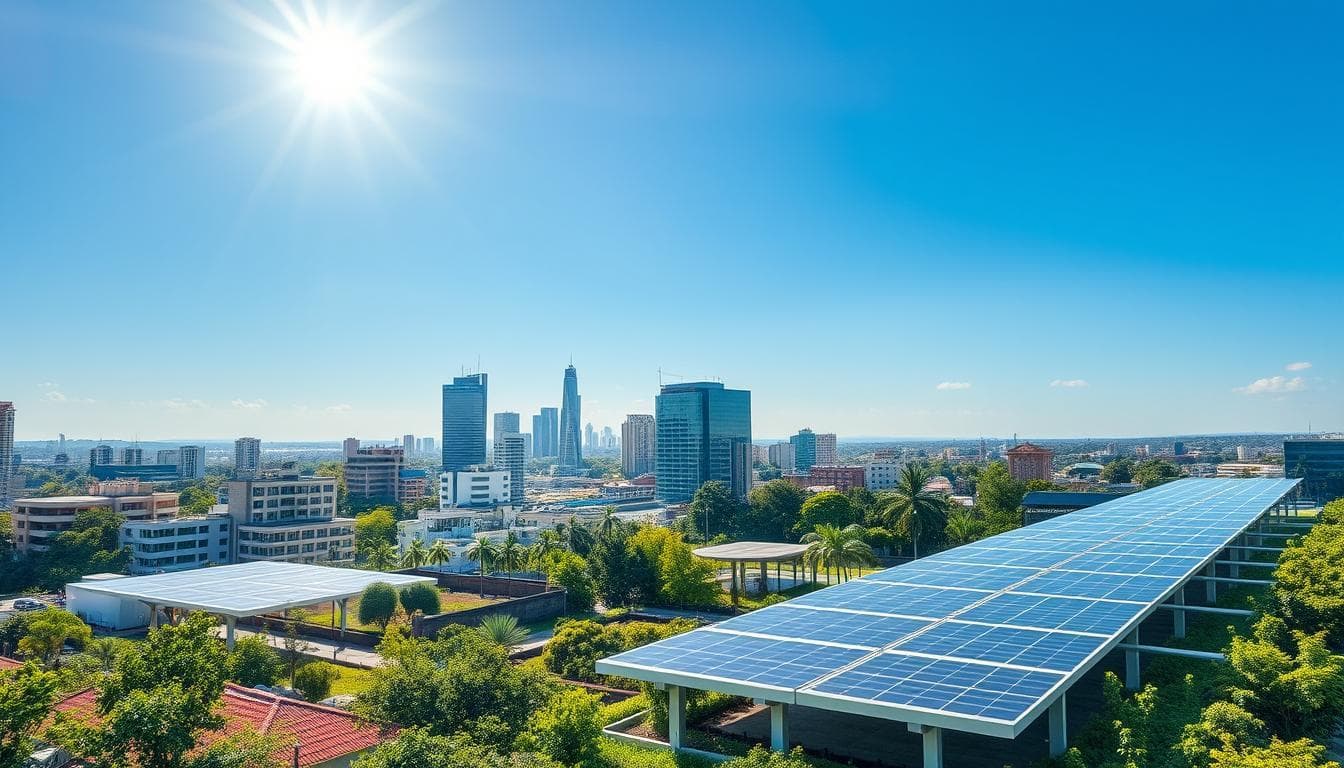
Floating photovoltaic systems are installed on reservoirs, lakes, and other bodies of water. These systems can reduce land use while benefiting from the cooling effect of water, which may improve panel performance under some conditions.
Advanced Battery Technologies
Researchers are exploring alternatives to conventional lithium-ion batteries, including solid-state batteries, sodium-ion batteries, and flow batteries. These technologies aim to improve safety, reduce costs, extend lifespan, and increase energy storage capacity.
Research Status: Many of these technologies are commercially available in limited applications, while others are still under active research and demonstration. Their future adoption will depend on continued technical progress, cost reductions, and supportive infrastructure.
Emerging Technologies
Several emerging technologies could complement today's renewable energy systems:
- Agrivoltaics: Combining solar panels with agricultural land so that crops and electricity are produced on the same site.
- Enhanced Geothermal Systems (EGS): Expanding geothermal energy beyond naturally occurring reservoirs by engineering underground heat extraction.
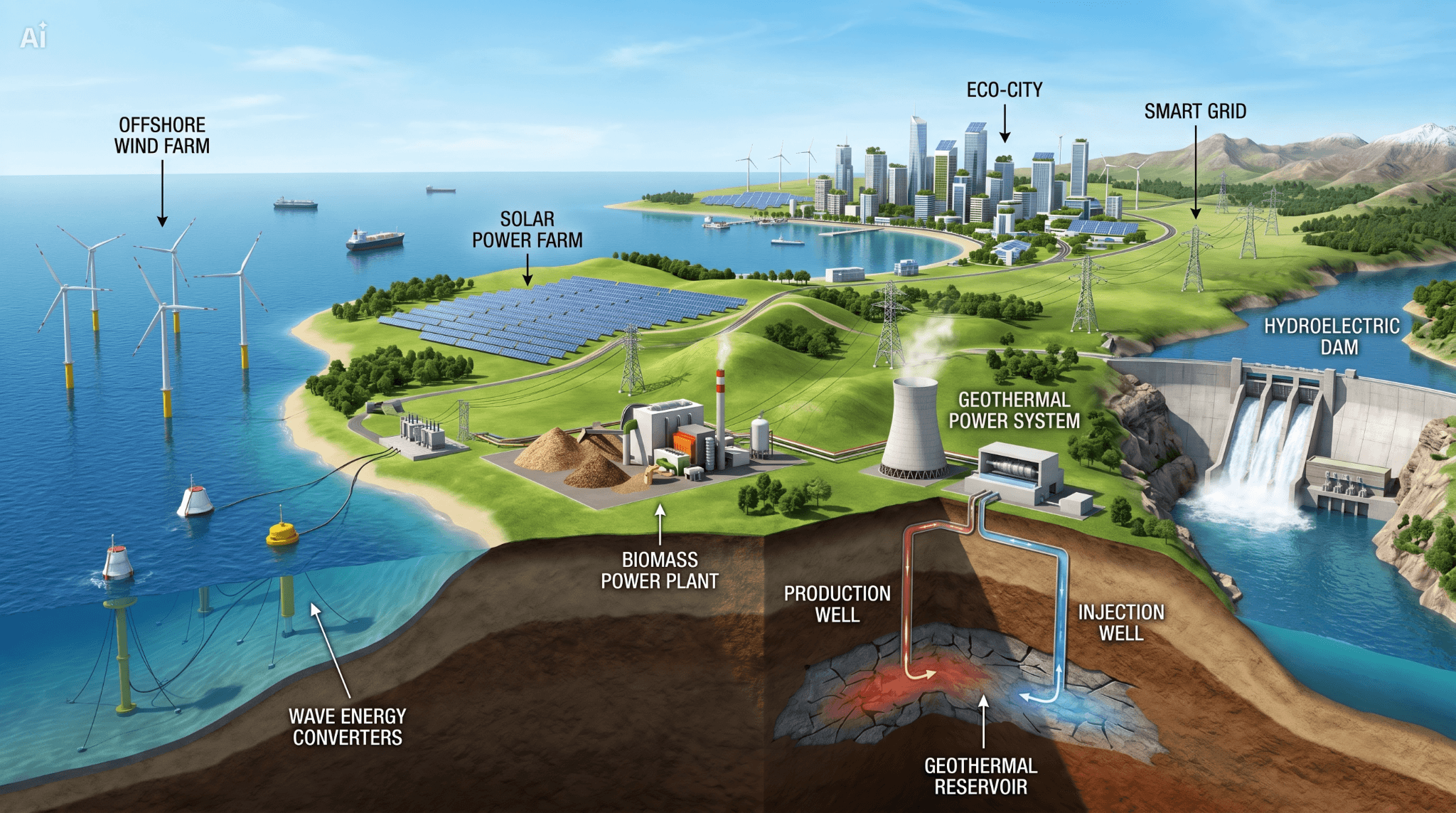
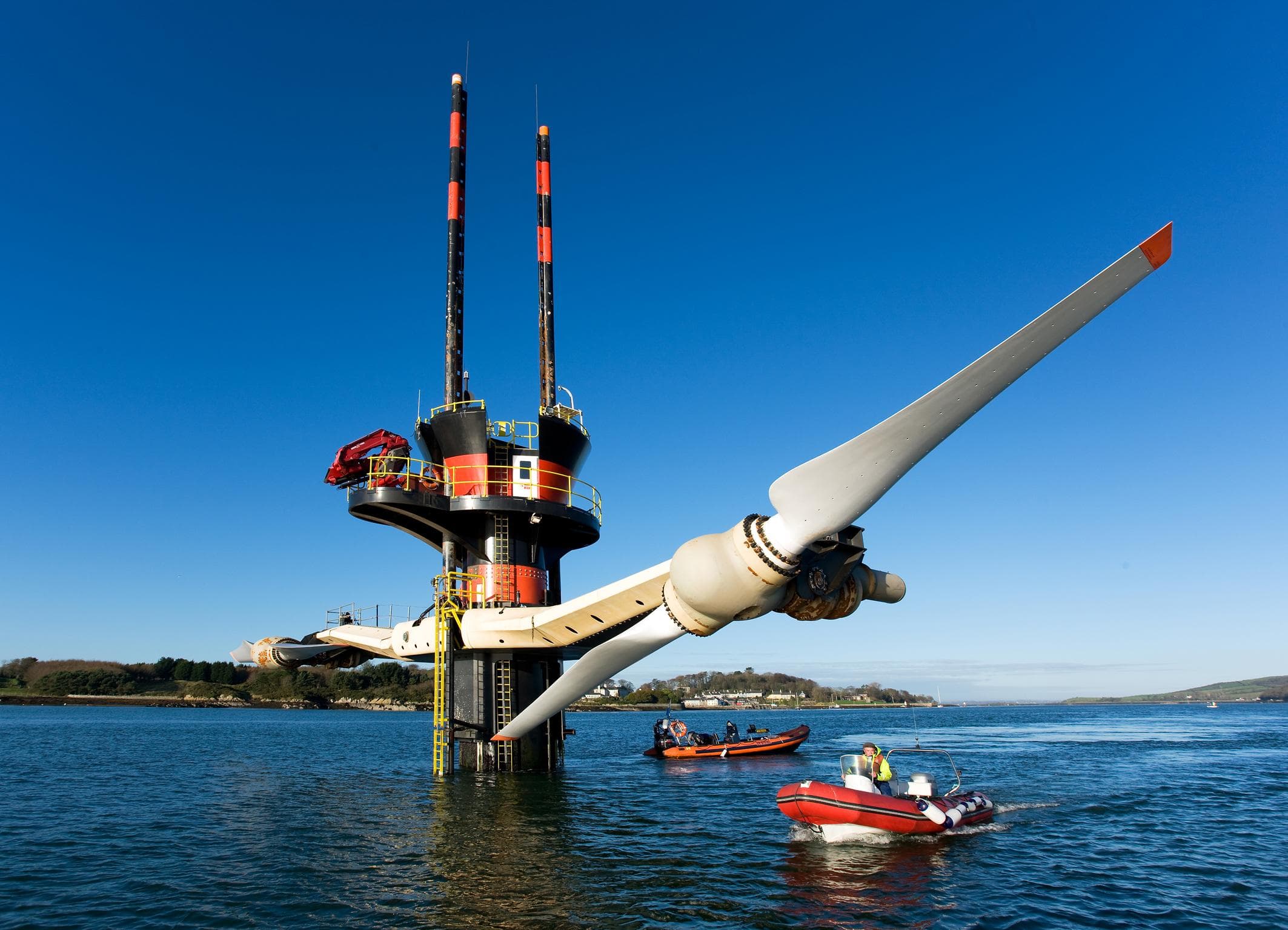
- Wave and Tidal Energy: Capturing energy from ocean waves and tides, offering predictable energy generation in suitable coastal regions.
- Vehicle-to-Grid (V2G): Electric vehicles can potentially return stored electricity to the grid during periods of high demand.
These technologies are at different stages of development and are being evaluated for technical, economic, and environmental feasibility.
Government Policies and Global Initiatives
Public policy has played a major role in expanding renewable energy. Common policy tools include:
- Renewable energy targets
- Tax incentives and rebates
- Feed-in tariffs
- Competitive renewable energy auctions
- Grid modernization investments
- Research and development funding
- Energy efficiency standards
International cooperation also supports renewable energy deployment through climate agreements, technology sharing, and sustainable development initiatives.
Renewable Energy Careers
As the clean energy sector grows, demand is increasing for professionals with diverse skills.
Engineering and Technical Roles
- Solar photovoltaic engineer
- Wind turbine engineer
- Electrical engineer
- Power systems engineer
- Grid integration specialist
- Energy storage engineer
Science and Research
- Renewable energy researcher
- Environmental scientist
- Climate scientist
- Materials scientist
Business and Policy
- Energy consultant
- Sustainability manager
- Project manager
- Energy economist
- Policy analyst
Skilled Trades
- Solar panel installer
- Wind turbine technician
- Electrician
- Maintenance technician
Many of these careers require expertise in engineering, environmental science, information technology, data analysis, or skilled technical trades.
Common Myths About Renewable Energy
| Myth | Reality |
|---|---|
| Renewable energy only works on sunny days. | Different renewable technologies complement each other. Solar depends on sunlight, but hydropower, geothermal, and some wind resources can operate under different conditions. |
| Renewable energy is always more expensive. | Costs vary by region and technology. In many areas, new utility-scale solar and wind projects are among the lowest-cost sources of electricity. |
| Renewable energy cannot power modern economies. | Many countries already generate a substantial share of their electricity from renewable sources while maintaining reliable power systems. |
| Solar panels do not work in cold weather. | Solar panels generate electricity from light, not temperature. Cold, sunny conditions can support efficient operation. |
| Wind turbines always harm wildlife. | Proper site selection, environmental assessments, and operational measures can reduce impacts on birds and bats. |
Best Practices for Supporting Renewable Energy
Individuals and organizations can contribute in several ways:
- Improve energy efficiency before increasing renewable generation.
- Consider rooftop solar where technically and economically appropriate.
- Choose energy-efficient appliances and lighting.
- Support recycling programs for renewable energy equipment where available.
- Stay informed through reputable scientific and governmental sources.
- Encourage responsible environmental planning for renewable energy projects.
Frequently Asked Questions (FAQ)
What is renewable energy?
Renewable energy is energy obtained from natural resources that are replenished continuously, such as sunlight, wind, flowing water, geothermal heat, and biomass.
Is renewable energy completely pollution-free?
No. While renewable energy generally produces much lower emissions during operation than fossil fuels, manufacturing, construction, transportation, and end-of-life management can have environmental impacts.
Why is energy storage important?
Energy storage helps balance electricity supply and demand by storing excess energy and releasing it when renewable generation is lower.
Which renewable energy source is the most efficient?
Efficiency depends on how it is measured. Hydropower has very high conversion efficiency, while solar, wind, and geothermal each have strengths depending on local conditions.
Can renewable energy replace fossil fuels completely?
Researchers generally agree that a combination of renewable energy, energy storage, modern electricity grids, energy efficiency, and other low-carbon technologies will be required to significantly reduce dependence on fossil fuels. The optimal mix varies by country and region.
People Also Ask
How do solar panels generate electricity?
Solar panels use semiconductor materials to convert sunlight directly into electricity through the photovoltaic effect.
What is the difference between renewable and clean energy?
Renewable energy comes from naturally replenishing resources. Clean energy refers to energy sources that produce little or no greenhouse gas emissions during operation. The two categories often overlap but are not identical.
Is nuclear energy renewable?
Nuclear power is generally classified as a low-carbon energy source but not as renewable because it relies on finite uranium fuel.
What are the biggest challenges of renewable energy?
Key challenges include variability in solar and wind resources, energy storage, grid modernization, land use planning, and responsible supply chains for critical materials.
Suggested Internal Links
For a technology-focused website, consider linking this article to:
- What Is Climate Change?
- Smart Grid Technology Explained
- Battery Energy Storage Systems
- Electric Vehicles: Complete Guide
- Green Hydrogen Explained
- Artificial Intelligence in Energy
- Internet of Things (IoT) in Smart Cities
- Sustainable Technology Trends
- Carbon Capture and Storage
- Future of Clean Transportation
Suggested Authoritative External References
For further reading, consult the official resources of:
- International Energy Agency (IEA)
- International Renewable Energy Agency (IRENA)
- Intergovernmental Panel on Climate Change (IPCC)
- U.S. Department of Energy (DOE)
- National Renewable Energy Laboratory (NREL)
- United Nations – Sustainable Development Goals
- Our World in Data – Energy data and visualizations
Infographic Suggestions
- Global Renewable Energy Sources Comparison
- How Solar Panels Generate Electricity
- Wind Turbine Components
- Renewable Energy vs Fossil Fuels
- Electricity Grid Flow Diagram
- Renewable Energy Timeline
- Benefits and Challenges Overview
Image Placement Suggestions
- Hero image after the introduction.
- Solar energy image in the solar section.
- Wind farm image in the wind section.
- Hydropower image in the hydropower section.
- Battery storage image in the energy storage section.
- Smart grid illustration in the grid section.
- Future technology image before the future outlook.
Social Sharing Summary
Renewable energy is transforming how the world generates electricity. This guide explains the science behind solar, wind, hydropower, geothermal, biomass, and emerging technologies while exploring their benefits, challenges, and future role in creating a cleaner and more sustainable energy system.
Conclusion
Renewable energy represents one of the most significant technological and environmental transformations of the twenty-first century. By harnessing resources that are naturally replenished, societies can reduce greenhouse gas emissions, improve energy security, diversify electricity generation, and support long-term sustainable development.
No single renewable technology is suitable for every location or application. Instead, the most resilient energy systems combine multiple renewable sources with energy storage, modern transmission networks, improved efficiency, and thoughtful environmental planning. Continued scientific research, engineering innovation, and responsible public policy will be essential to expanding renewable energy while addressing technical, economic, and ecological challenges.
For individuals, businesses, and governments alike, understanding renewable energy is increasingly important. Whether installing rooftop solar panels, supporting clean energy initiatives, or pursuing a career in the sector, informed decisions can contribute to a more sustainable and resilient energy future.
FAQ Schema (JSON-LD)
{
  "@context": "https://schema.org",
  "@type": "FAQPage",
  "mainEntity": [
    {
      "@type": "Question",
      "name": "What is renewable energy?",
      "acceptedAnswer": {
        "@type": "Answer",
        "text": "Renewable energy is energy generated from naturally replenishing resources such as sunlight, wind, flowing water, geothermal heat, and biomass."
      }
    },
    {
      "@type": "Question",
      "name": "Why is renewable energy important?",
      "acceptedAnswer": {
        "@type": "Answer",
        "text": "Renewable energy helps reduce greenhouse gas emissions, improves energy security, supports sustainable development, and reduces dependence on fossil fuels."
      }
    },
    {
      "@type": "Question",
      "name": "What are the main types of renewable energy?",
      "acceptedAnswer": {
        "@type": "Answer",
        "text": "The major renewable energy sources are solar, wind, hydropower, geothermal, biomass, and ocean energy."
      }
    },
    {
      "@type": "Question",
      "name": "Can renewable energy replace fossil fuels?",
      "acceptedAnswer": {
        "@type": "Answer",
        "text": "Renewable energy can significantly reduce reliance on fossil fuels when combined with energy storage, modern electricity grids, energy efficiency, and other low-carbon technologies."
      }
    }
  ]
}
References
This article is based on information from internationally recognized and authoritative organizations, including:
- International Energy Agency (IEA)
- International Renewable Energy Agency (IRENA)
- Intergovernmental Panel on Climate Change (IPCC)
- U.S. Department of Energy (DOE)
- National Renewable Energy Laboratory (NREL)
- United Nations
- Our World in Data
Write your article here...
About the Author
Aslam Hossain is the founder and editor of Vishtech Blog, creating accessible technology content about AI, software, startups, robotics, cybersecurity, and future innovations.
Comments
Article text preview: If you want to read this blog, please select the blank. (if "blank" is literally a blank field) If you want to read this blog, please select the blank