Renewable Energy
How Renewable Energy Works, Energy Storage, Smart Grids, Applications, Benefits, Challenges, and Real-World Examples #Part3
Explore how renewable energy works, the technologies behind solar, wind, hydro, geothermal, and biomass power, and the challenges shaping the global energy transition
Renewable Energy — Part 3
If you want to read this blog, please select the blank. (if "blank" is literally a blank field)If you want to read this blog, please select the blank. (if "blank" is literally a blank field)Part 2: How Renewable Energy Works, Energy Storage, Smart Grids, Applications, Benefits, Challenges, and Real-World Examples
Renewable energy technologies can generate electricity from natural resources, but producing electricity is only one part of the energy system. The electricity must also be transmitted, distributed, stored when necessary, and delivered safely to homes, businesses, hospitals, schools, factories, and transportation networks.
Unlike traditional fossil-fuel power plants, many renewable energy sources—particularly solar and wind—depend on weather conditions. As a result, modern renewable energy systems increasingly rely on energy storage, smart grids, and advanced forecasting technologies to ensure a reliable electricity supply.
How Renewable Energy Generates Electricity
Although each renewable technology works differently, they all follow the same basic principle: converting natural energy into electrical energy.
Step 1: Capture Natural Energy
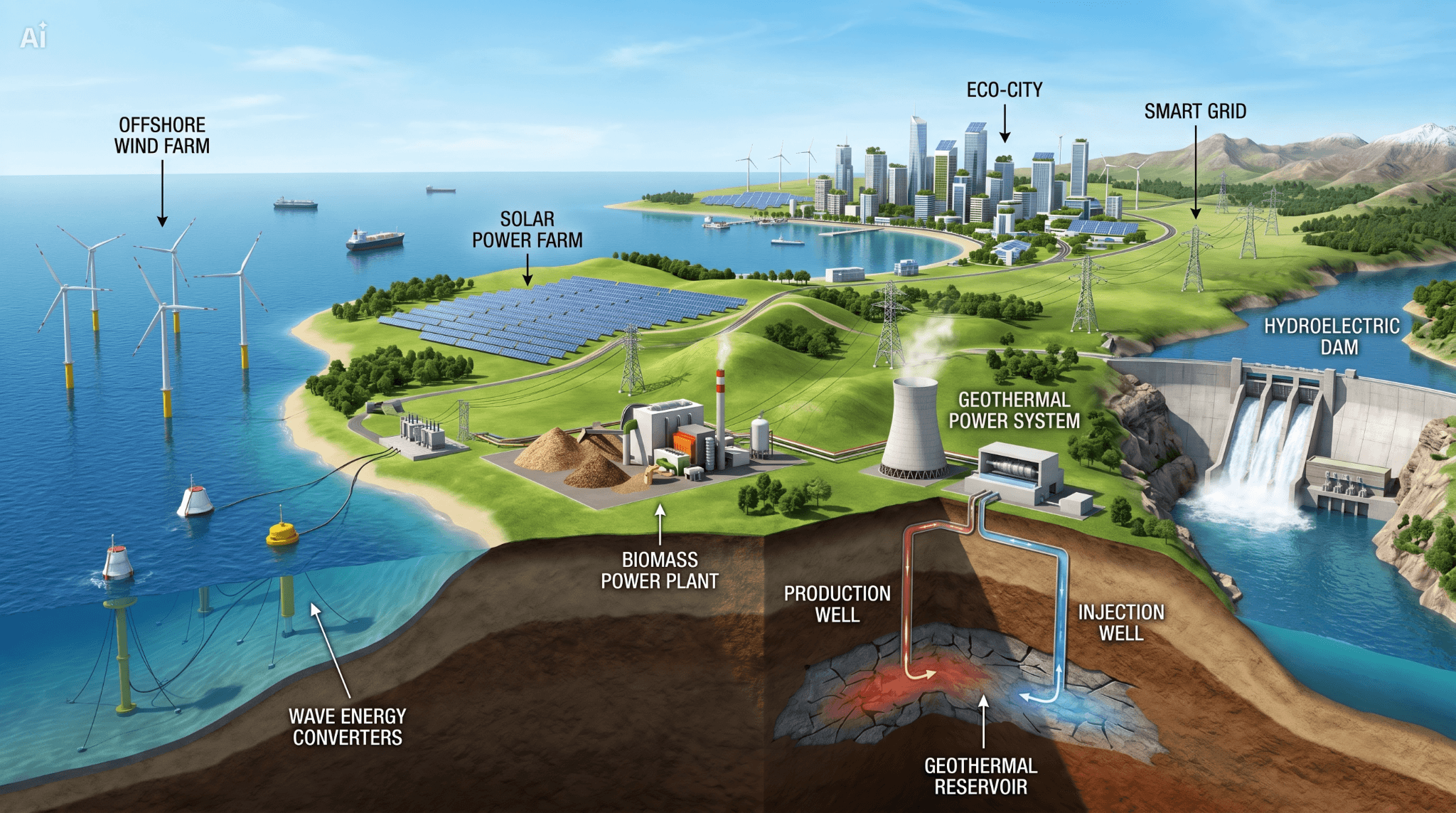
Different technologies capture different forms of energy:
- Solar panels capture sunlight.
- Wind turbines capture moving air.
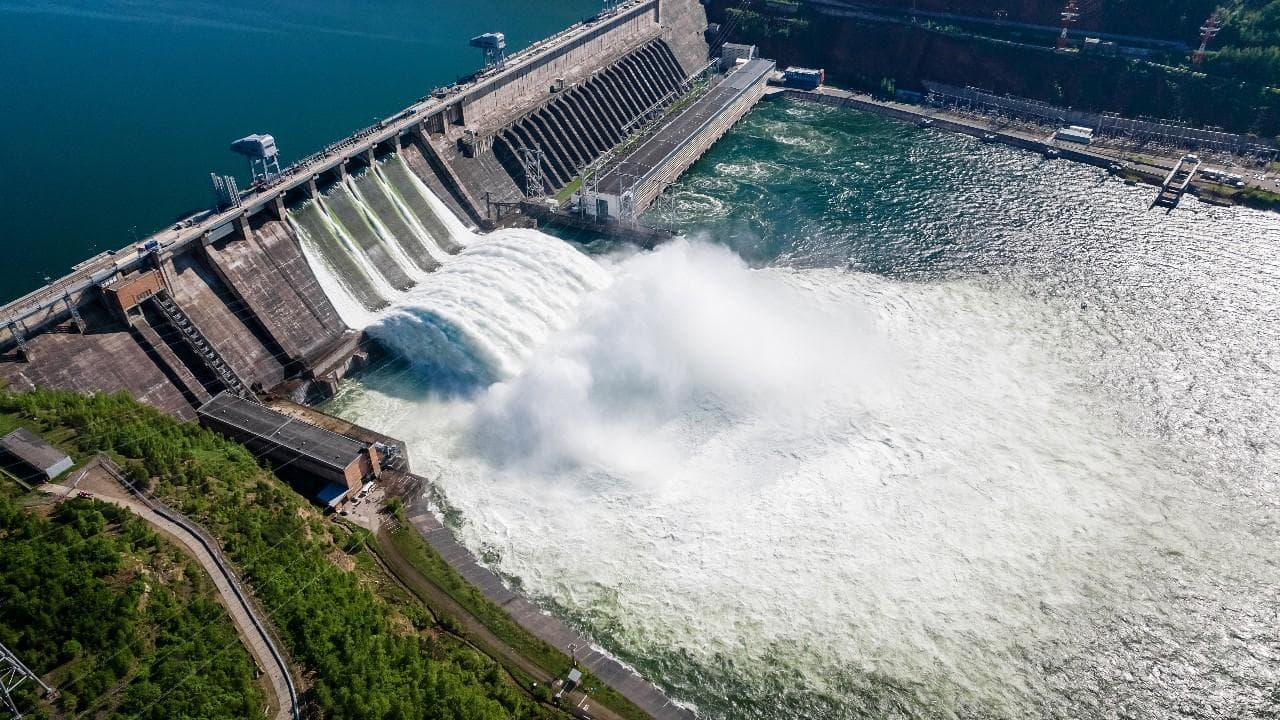
- Hydropower captures flowing water.
- Geothermal plants capture underground heat.
- Biomass plants capture chemical energy stored in organic materials.
Step 2: Convert Energy
The captured energy is converted into usable electricity.
Examples:
- Solar panels convert sunlight directly into electricity.
- Wind turbines convert rotational motion into electricity.
- Hydroelectric generators convert moving water into electricity.
- Steam turbines convert geothermal heat into electricity.
Step 3: Transmission
After electricity is generated, transformers increase the voltage.
High-voltage transmission lines transport electricity efficiently across long distances with minimal energy loss.
Step 4: Distribution
Substations reduce voltage before electricity enters local distribution networks.
Power is then delivered safely to:
- Homes
- Businesses
- Schools
- Hospitals
- Data centers
- Factories
Step 5: Consumption
Consumers use electricity for:
- Lighting
- Heating
- Cooling
- Cooking
- Manufacturing
- Transportation
- Communication
- Medical equipment
The Role of Energy Storage
One of the biggest challenges of renewable energy is that sunlight and wind are not always available when electricity demand is highest.
Energy storage helps solve this problem by storing excess electricity and releasing it when needed.
Why Energy Storage Is Important
Imagine a sunny afternoon when solar panels generate more electricity than consumers need.
Instead of wasting the extra electricity, batteries can store it.
Later, after sunset, the stored electricity can power homes and businesses.
This improves grid stability and reduces dependence on fossil fuel power plants.
Common Energy Storage Technologies
| Technology | Typical Use |
|---|---|
| Lithium-ion batteries | Homes, businesses, electric grids |
| Pumped-storage hydropower | Large-scale grid storage |
| Flow batteries | Long-duration storage |
| Thermal energy storage | Heating and cooling |
| Hydrogen production | Long-term energy storage |
Each technology has different strengths depending on cost, storage duration, and scale.
Smart Grids
Traditional electrical grids were designed around large centralized power stations.
Modern renewable energy systems require smarter networks capable of managing thousands—or even millions—of distributed energy sources.
These networks are called smart grids.
A smart grid combines:
- Sensors
- Communication networks
- Artificial intelligence
- Smart meters
- Automated controls
- Real-time monitoring
Together, these technologies improve the efficiency, reliability, and resilience of electricity systems.
Benefits of Smart Grids
- Faster detection of power outages
- Better integration of renewable energy
- Reduced electricity waste
- Improved grid reliability
- Better demand forecasting
- More efficient electricity distribution
Real-World Applications of Renewable Energy
Renewable energy is used in many sectors beyond electricity generation.
Residential Buildings
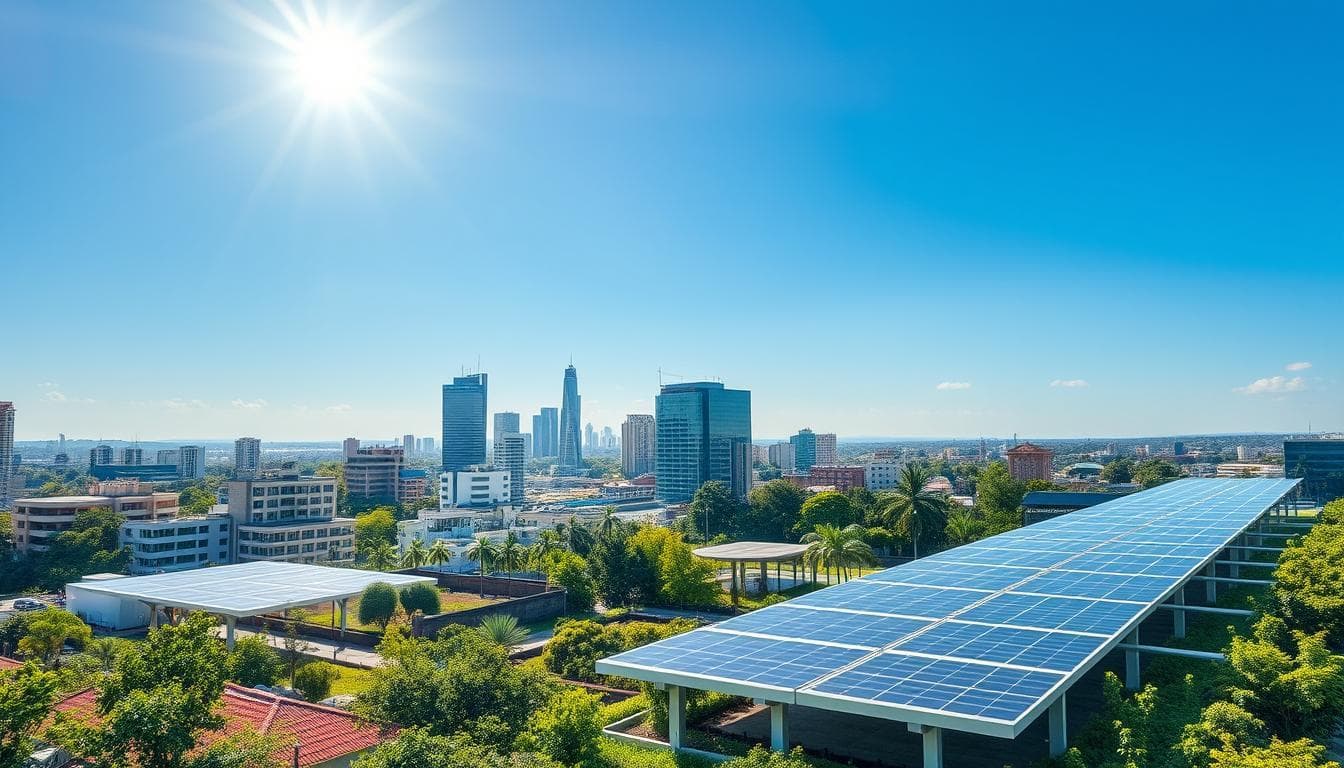
Many homeowners install rooftop solar panels to reduce electricity bills.
Some systems include battery storage that provides backup power during outages.
Commercial Buildings
Businesses increasingly use renewable electricity to reduce operating costs and meet sustainability goals.
Examples include:
- Office buildings
- Shopping centers
- Hotels
- Universities
- Hospitals
Manufacturing
Factories consume large amounts of electricity.
Many manufacturers now purchase renewable electricity through long-term power purchase agreements or install on-site renewable systems.
Agriculture
Farmers use renewable energy for:
- Water pumping
- Irrigation
- Greenhouse heating
- Grain drying
- Electric fencing
Solar-powered irrigation systems are becoming increasingly common in many countries.
Transportation
Electric vehicles (EVs) become even cleaner when charged using renewable electricity.
Renewable energy also supports:
- Electric buses
- Electric trains
- Green hydrogen production
- Sustainable aviation fuel research
Remote Communities
Remote villages and islands often rely on expensive diesel generators.
Hybrid renewable systems combining solar panels, wind turbines, and batteries can provide reliable electricity while reducing fuel costs.
Benefits of Renewable Energy
Renewable energy provides environmental, economic, and social advantages.
Environmental Benefits
- Lower greenhouse gas emissions
- Improved air quality
- Reduced dependence on fossil fuels
- Lower water consumption for many technologies
- Protection of natural ecosystems when responsibly developed
Economic Benefits
- Creates employment opportunities
- Encourages technological innovation
- Reduces fuel import costs
- Stabilizes long-term electricity prices
- Attracts investment
Social Benefits
- Expands electricity access
- Improves public health through cleaner air
- Supports rural development
- Strengthens energy independence
Challenges of Renewable Energy
Despite significant progress, renewable energy still faces important challenges.
Intermittency
Solar panels produce electricity only during daylight.
Wind turbines require sufficient wind speeds.
Reliable electricity systems must balance these fluctuations.
Energy Storage Costs
Battery prices have declined significantly over the past decade, but large-scale storage remains a substantial investment.
Grid Infrastructure
Many electricity grids were designed decades ago.
Modern renewable systems require upgraded transmission lines, digital controls, and improved grid management.
Land Use
Large renewable projects can require considerable land area.
Careful planning helps minimize impacts on agriculture, wildlife, and local communities.
Supply Chains
Renewable technologies require materials such as:
- Silicon
- Copper
- Aluminum
- Lithium
- Nickel
- Rare earth elements (for some technologies)
Responsible mining and recycling are increasingly important.
Environmental Considerations
Renewable energy generally has a much lower environmental impact than fossil fuels, but no technology is entirely impact-free.
Examples include:
- Wind turbines may affect birds and bats if poorly located.
- Hydroelectric dams can alter river ecosystems.
- Solar farms require land.
- Biomass must be sustainably managed.
Environmental impact assessments help reduce these risks.
Renewable Energy Around the World
Many countries are expanding renewable energy as part of their energy transition.
Examples include:
- Large offshore wind projects in Northern Europe.
- Extensive solar development in China, India, and the United States.
- Hydropower in Norway, Brazil, and Canada.
- Geothermal electricity in Iceland, Kenya, and New Zealand.
Each country develops renewable resources based on its geography, climate, natural resources, and energy needs.
Case Study 1: Rooftop Solar for Homes
A homeowner installs rooftop solar panels.
During sunny afternoons:
- Solar panels generate electricity.
- Household appliances use part of it.
- Extra electricity charges a home battery or is exported to the grid.
At night:
- Electricity is supplied by the battery or the grid.
This reduces electricity costs while lowering greenhouse gas emissions.
Case Study 2: Offshore Wind Farm
An offshore wind farm consists of dozens or hundreds of turbines installed in coastal waters.
Advantages include:
- Stronger winds
- Higher electricity generation
- Lower land use conflicts
Challenges include:
- Higher installation costs
- Marine engineering complexity
- Maintenance in harsh environments
Expert Insight
No single renewable energy source can meet every country's needs. The most resilient energy systems combine multiple renewable technologies with energy storage, modern transmission networks, and improved energy efficiency. This diversified approach helps ensure a stable and reliable electricity supply under varying weather conditions.
Key Takeaways
- Renewable energy systems convert natural resources into electricity.
- Energy storage is essential for balancing intermittent sources such as solar and wind.
- Smart grids improve reliability by using digital technologies and real-time monitoring.
- Renewable energy supports homes, industries, transportation, and remote communities.
- While renewable technologies offer significant environmental and economic benefits, they also require careful planning to address challenges such as intermittency, grid modernization, and responsible resource use.
References (Authoritative Sources)
The concepts and examples in this section are based on publications and educational resources from:
- International Energy Agency (IEA)
- International Renewable Energy Agency (IRENA)
- U.S. Department of Energy (DOE)
- National Renewable Energy Laboratory (NREL)
- Intergovernmental Panel on Climate Change (IPCC)
- World Bank
- Our World in Data
Write your article here...
About the Author
Aslam Hossain is the founder and editor of Vishtech Blog, creating accessible technology content about AI, software, startups, robotics, cybersecurity, and future innovations.
Comments
Article text preview: Renewable Energy — Part 3 If you want to read this blog, please select the blank. (if "blank" is literally a blank field) If you want to read this blo